
“The combined effects of Hurricane Helene and the ongoing dockworker strikes have created a perfect storm for global supply chains, disrupting industries from automotive manufacturing to local grocery stores.”
Natural disasters like hurricanes can devastate communities in many ways, but their impact on global supply chains often ripples far beyond the affected region. This is exactly what we’re seeing in the wake of Hurricane Helene. As key logistics hubs across the southeastern U.S. struggle to recover from flooding, road damage, and power outages, the strain is compounded by ongoing dockworker strikes at major U.S. ports. Together, these events are creating a perfect storm of supply chain disruptions that affect industries from automotive manufacturing to local grocery stores, both in the U.S. and globally.
Immediate Aftermath and the Effects on Infrastructure
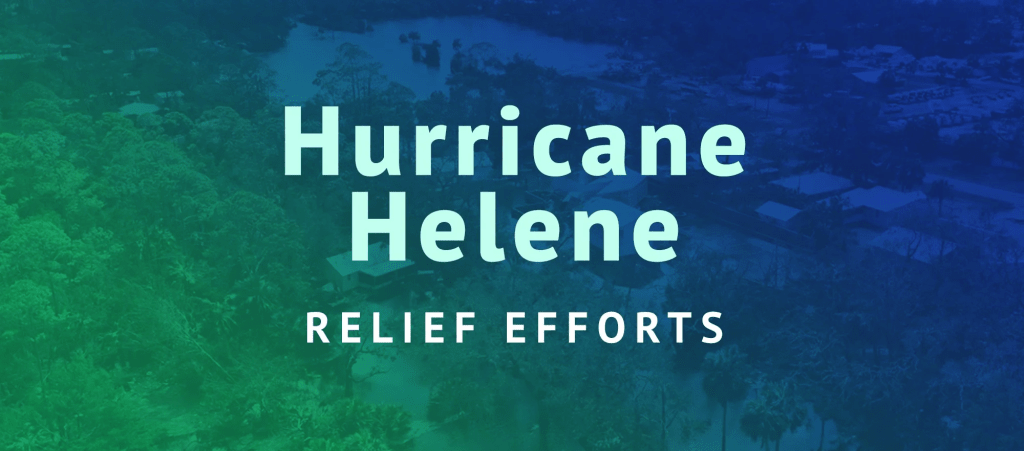
Hurricane Helene made landfall in late September, bringing catastrophic flooding to North Carolina, Georgia, and southern Virginia. Roads and bridges have been damaged, and key ports like Charleston and Savannah are either shut down or operating at limited capacity. This has severely limited the flow of goods in and out of these regions, especially essential materials needed for rebuilding efforts, such as lumber, steel, and concrete.
However, the true disruption extends far beyond infrastructure damage. The hurricane has thrown a wrench into critical freight routes, particularly rail and trucking, which transport goods from these ports to manufacturing plants, distribution centers, and retailers across the U.S. Even after recovery begins, these interruptions will likely result in continued shortages of products in several sectors.
Dockworker Strikes: Worsening an Already Fragile System
At the same time that recovery efforts are underway, more than 45,000 dockworkers at East and Gulf Coast ports, including the critical hubs of New York-New Jersey, Savannah, and Houston, have launched strikes. These ports handle roughly 50% of all U.S. imports and exports, and with dock operations stalled, supply chains across industries are in chaos.
According to reports, importers are already dealing with weeks-long delays for goods arriving from key trading partners like Europe and Asia. Items ranging from industrial equipment and automotive parts to consumer goods and electronics are sitting in port or being rerouted to less-congested, but smaller, ports that are not equipped to handle the surge in demand.
Effects on the Automotive Industry
The automotive sector is particularly vulnerable to these disruptions. Manufacturers rely on a complex, just-in-time supply chain to ensure that parts arrive exactly when needed for assembly. Even a short delay can halt production. Automakers like Ford and General Motors have expressed concerns over parts shortages, including critical components such as microchips, which are already in short supply due to global semiconductor constraints.
These delays could result in extended manufacturing downtimes and higher costs for consumers as vehicle inventory remains low and demand remains high. Electric vehicle (EV) manufacturers, in particular, are feeling the pressure, as they rely heavily on imported components like batteries and specialized electronics, most of which enter the U.S. through the very ports now impacted by the strike.
Impacts on Retail and Consumer Goods
Local grocery stores and retailers are also being hit hard by these combined disruptions. Grocery stores rely on a continuous influx of fresh produce, meat, and dairy, most of which is imported. Perishable goods are at the greatest risk, as shipping delays mean products spoil before they even reach the shelves. Consumers are already reporting empty shelves for essential items like bottled water, canned goods, and paper products, especially in regions closest to the hurricane’s landfall.
The panic-buying that ensued during the COVID-19 pandemic seems to be resurfacing in these areas, as consumers rush to buy goods amid fears of prolonged shortages. This, in turn, creates a self-perpetuating cycle: higher demand for already-scarce products leads to more shortages.
Agriculture and Exports: A Global Concern
Beyond U.S. borders, the ripple effect is being felt in countries that rely on American agricultural exports. Ports affected by the strike handle nearly half of U.S. agricultural exports, including grains, soybeans, and livestock feed. Farmers, who are already dealing with the aftermath of the hurricane, now face difficulties in getting their products to international markets.
For instance, Asian countries that rely on U.S. soybeans for animal feed are starting to experience rising prices as shipments are delayed or rerouted to less efficient ports. In the long term, these delays could impact global food supply chains, leading to higher food prices in countries that depend heavily on American exports.
Supply Chain Resilience: What’s Next?
While the immediate effects of Hurricane Helene and the dockworker strikes are stark, they also expose the vulnerabilities of our global supply chains. Industries are now faced with the challenge of building more resilient systems that can withstand these kinds of disruptions.
Several companies are looking at solutions like near-shoring, where they move production closer to their key markets, reducing reliance on far-flung international suppliers. Others are investing in inventory diversification, meaning they maintain a stockpile of essential components from multiple suppliers to avoid total reliance on one source.
What Can You Do to Help?
The effects of these disruptions are not just economic—they are also humanitarian. Rebuilding communities devastated by Hurricane Helene will require resources and support. Here’s how you can help:
- Donate to relief efforts: Organizations like the Red Cross and GlobalGiving are providing aid to those affected by the hurricane. You can donate directly to help provide food, water, and shelter.
- Support recovery funds: Several local organizations are raising funds for long-term rebuilding efforts. These include the Georgia Relief Fund and the North Carolina Community Foundation Disaster Relief Fund.
- Stay informed: For updates on the dockworker strikes and ongoing supply chain issues, follow resources like FreightWaves, ISM World, and The Maritime Executive.
The combined effects of Hurricane Helene and the ongoing dockworker strikes represent a critical challenge to both the U.S. and global supply chains. While industries from automotive manufacturing to local retail struggle to adapt, the broader issue is clear: building resilient, flexible supply chains is no longer optional: it’s essential. As industries navigate these disruptions, it’s crucial that we support affected communities and look toward long-term solutions that strengthen our global networks.






 Olivia N. Wright
Leave a comment